Becoming Your Own Sanctuary
Why Therapy Alone Isn't Enough

Becoming Your Own Sanctuary
What does it mean to be a sanctuary? A refuge not only for yourself but for others?
It isn’t about perpetual calm or detachment from the challenges of life. Instead, it’s about building the capacity to navigate the full, dynamic range of human emotions. Life is meant to encompass it all, joy, grief, anger, exhilaration and stillness. Yet, many of us were taught to suppress or dismiss certain emotions as "bad" or "too much." We internalize shame and guilt, believing that big feelings make us unworthy or unlovable. Over time, this disconnection builds walls within us, walls that isolate us from ourselves and others.
But what if we could dismantle these walls? What if, instead of rejecting our emotions and challenging experiences, we learned to move through them with grace and understanding? That’s what it means to become your own sanctuary: to hold space for every wave of experience without losing your center. It’s not about avoiding the storm; it’s about becoming the calm in its eye. Then looking out from this center and reminding others that they can find their own.
The Limits of Traditional Therapy
Many of us turn to therapy seeking healing, only to find ourselves stuck in cycles of retelling the same stories. I know this firsthand. For years, I sat in talk therapy for obsessive-compulsive disorder, feeling like I was running in circles. While one therapist helped, many others left me feeling re-traumatized rather than healed. Why? Because traditional therapy often focuses exclusively on the mind, addressing only one part of a much larger, interconnected system.
True healing requires a holistic approach. Trauma doesn’t just live in the mind; it takes root in the body and fractures our spiritual connection. Imagine a child who grows up in an unsafe environment. At the mental level, they may develop hypervigilance, always scanning for threats. Their body encodes implicit memories, flinching at loud noises or sudden movements as if danger were imminent. At the spiritual level, they may come to believe that the world is unsafe, that they are unworthy, or that life itself is devoid of benevolence.
To heal, we must address all three dimensions—mind, body, and spirit. Without this holistic approach, the healing process can feel fragmented, like trying to solve a puzzle with missing pieces.

Healing From the Inside Out
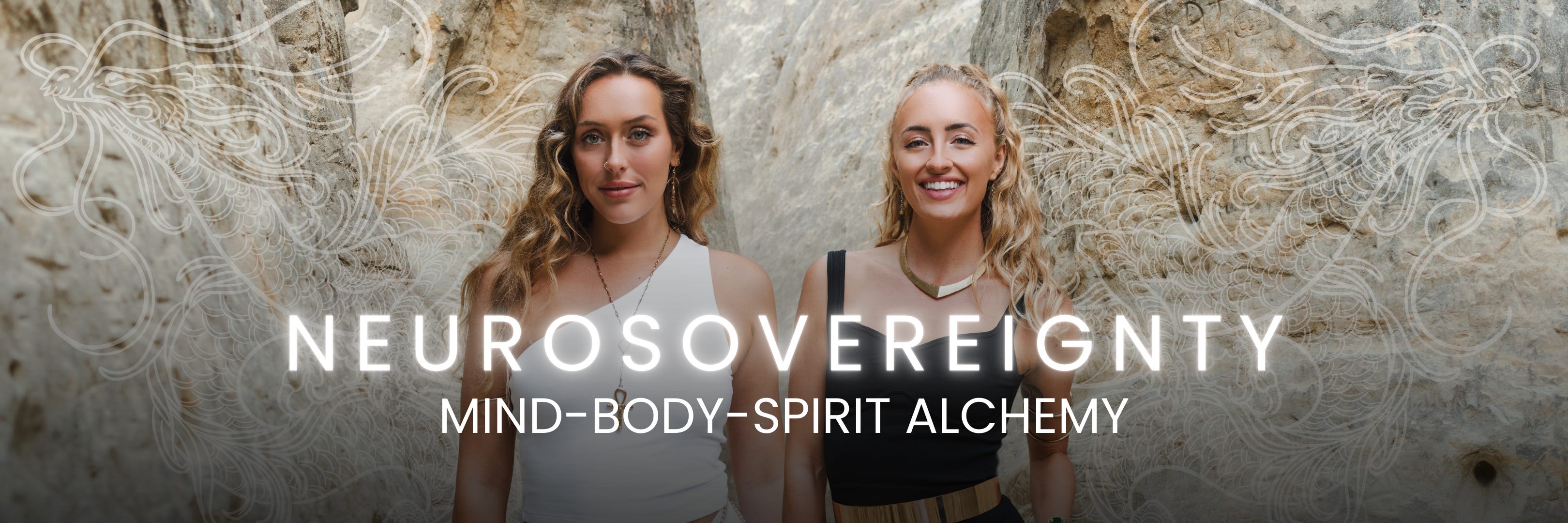
In the group program I lead, Neurosovereignty, we integrate these three dimensions, helping people become sanctuaries for themselves and, by extension, for others. The work involves de-layering the narratives of shame and guilt, reconnecting with the body as a source of wisdom and restoring a sense of spiritual alignment. It’s about remembering that you are not broken. You are whole and every part of your journey has been preparing you to embody this wholeness.
This journey is not just about personal liberation; it’s about service. When we become our own sanctuary, we naturally extend that energy to others. In a world filled with chaos and disconnection, the greatest gift we can offer is our own embodiment of peace and presence. But we can’t give what we don’t possess. We must first tend to our inner sanctuary before we can gift this to anyone else.
To anyone reading this, I invite you to embark on the journey of becoming your own sanctuary. Start by welcoming every emotion, every experience, as a teacher. Let go of the stories that say you are too much or not enough.
If you want to endeavor on this path with a dedicated group led by thoughtful, supportive, integrated leaders, I invite you to apply for the February cohort of Neurosovereignty. The application deadline is Friday, January 21st.